
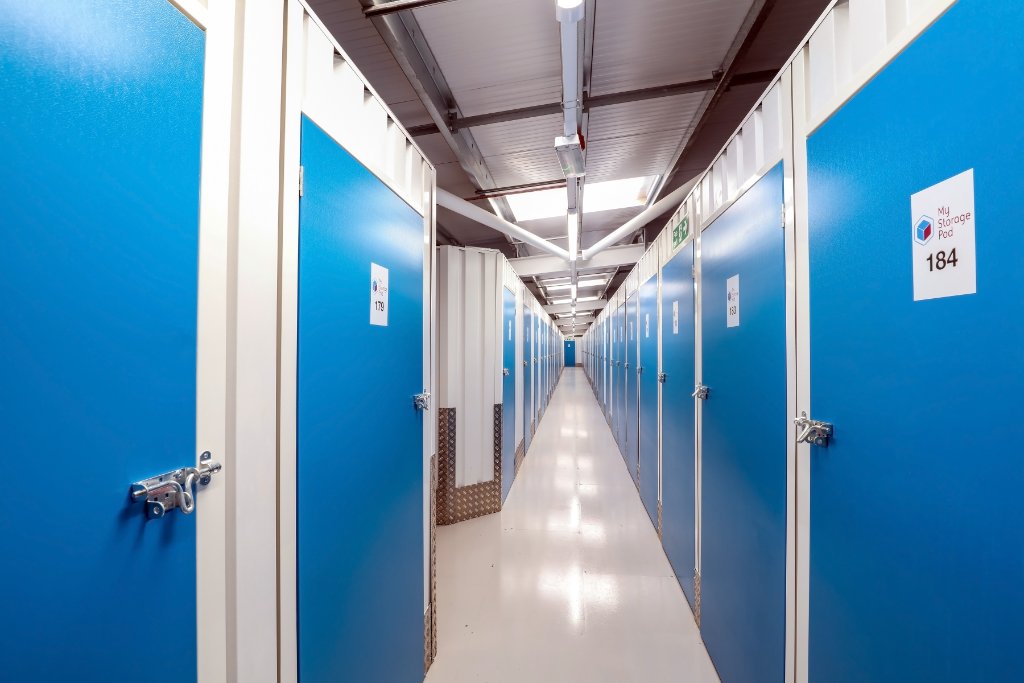
How you pack makes the single biggest difference to how your belongings come out of storage. Items packed carefully stay clean, dry and undamaged - whether you're storing for a few weeks during a house move or keeping furniture long-term. This guide walks through everything you need, from choosing boxes to loading your unit so you can actually find things again.
Packing Materials You'll Need
Gather your supplies before you start so you're not caught short mid-pack. You don't need anything specialist - just good quality materials.
- Double-walled cardboard boxes in two or three uniform sizes - they stack far more neatly than a mix.
- Packing paper and bubble wrap for wrapping fragile and delicate items.
- Strong packing tape - cheap tape splits under weight and fails in storage.
- A permanent marker pen for labelling every box.
- Breathable furniture covers or moving blankets (not plastic sheeting).
- Plastic boxes with tight-fitting lids for documents, electronics and other moisture-sensitive items.
- Silica gel sachets to tuck into boxes that need to stay dry.
Choosing & Packing Boxes
Choosing the Right Boxes
- Use small boxes for heavy items like books and crockery - large boxes get too heavy to lift safely.
- Use large boxes only for light, bulky items like bedding and cushions.
- Stick to a couple of uniform sizes so your stacks are stable and make the best use of height.
- Avoid old, damp or damaged boxes - they can collapse and introduce moisture into your unit.
Packing Boxes Properly
- Build each box fully and tape the bottom seams - don't just fold the flaps in.
- Put heavier items at the bottom of the box and lighter items on top.
- Fill every gap with packing paper or foam chips so contents can't shift during transport.
- Don't overfill - a bulging box won't stack and the sides can split.
- Don't underfill - an underpacked box can be crushed by the weight above it.
Wrapping Fragile Items
Plates, glasses, mirrors, ornaments and electronics need a little extra care. A few minutes wrapping saves a lot of heartache later.
- Wrap each fragile item individually in bubble wrap or several sheets of packing paper.
- Pack plates vertically (like records) rather than flat - they're far less likely to crack.
- Use dividers or extra cardboard between plates and glasses where you can.
- Fill the top of the box with paper so nothing moves when you shake it gently.
- Mark fragile boxes clearly on multiple sides and stack them on top of heavier boxes.
Preparing Furniture for Storage
Furniture takes up the most space and is the most easily damaged. A little preparation keeps it in good condition for as long as you store it.
- Clean every piece thoroughly before storing - dust and grease attract pests and mark other items.
- Disassemble flat-pack furniture where you can to save space and protect the joints.
- Bag up screws, bolts and fixings, label them, and tape the bag to the piece they belong to.
- Wrap upholstered furniture in breathable covers or moving blankets - never plastic, which traps moisture.
- Stand sofas and mattresses on their ends to save floor space and prevent bowing.
- Protect glass tabletops and mirrors with bubble wrap and store them upright.
- Raise furniture off the floor on pallets or boards where possible.
Labelling & Keeping an Inventory
Good labelling turns a wall of identical boxes into something you can actually navigate. It's the simplest thing you can do to make storage easier.
- Label every box on the side, not the top - you need to read labels when boxes are stacked.
- Note the room the box came from and a short list of its contents.
- Number your boxes and keep a separate inventory list of what's in each number.
- Mark boxes you'll need first (kettle, bedding, 'open first') and load them near the door.
- Take a photo of each box's contents as you seal it - a quick visual reference later.
Loading Your Storage Unit
How you load your unit matters as much as how you pack. A bit of planning up front saves unpacking everything to reach one box at the back.
- Place your largest, heaviest items at the back and along the walls first.
- Stack boxes with the heaviest at the bottom and the lightest on top.
- Leave a clear aisle down the middle of the unit so you can reach items at the back.
- Put items you'll need regularly near the door, and long-term items further in.
- Use the full height of the unit safely - stack stable boxes to the ceiling where you can.
- Fill the inside of wardrobes, chests of drawers and appliances with smaller items to save space.
- Take a photo of the loaded unit so you have a map of where everything sits.
Keeping Your Belongings Dry
Moisture is the main enemy of stored items. The combination of a dry indoor facility and careful packing keeps your belongings in the same condition you left them.
- Make sure everything is completely clean and dry before you pack it - damp sealed inside a box causes mould.
- Use silica gel sachets in boxes of electronics, photographs, documents and clothing.
- Choose plastic boxes with tight lids for anything particularly vulnerable to moisture.
- Use breathable covers for furniture, not plastic sheeting, so air can circulate.
- Store with a dry indoor facility like My Storage Hub rather than an outdoor metal container, which can suffer from condensation in the North Wales climate.
Common Packing & Storage Mistakes
- Packing items while still damp - moisture sealed in causes mould over time.
- Using old or weakened boxes that collapse under the weight above them.
- Wrapping furniture in plastic - it traps moisture and causes mildew.
- Not labelling boxes - after a few months you won't remember what's inside.
- Loading the unit wall to wall with no aisle, so you have to unpack everything to reach the back.
- Storing perishable food, flammables or hazardous chemicals, which are not allowed and can damage other items.
- Underestimating the unit size you need - a little spare room is better than having to upgrade mid-stay.
Packing & Storage FAQs
Stock up on double-walled cardboard boxes in a couple of uniform sizes, packing paper, bubble wrap, strong packing tape, a marker pen, and breathable furniture covers. Plastic storage boxes with tight-fitting lids are useful for moisture-sensitive items. Avoid old or damp boxes - they can collapse and introduce moisture into your unit.
Need Space to Put It All?
My Storage Hub is a secure, dry indoor storage facility in Buckley, Flintshire - convenient for Mold, Deeside, Hawarden, Chester and across North Wales. Tell us what you're storing and we'll help you find the right size.
Catheralls Industrial Estate, Brookhill Way, Buckley, Flintshire, CH7 3PS · 01244 550022