
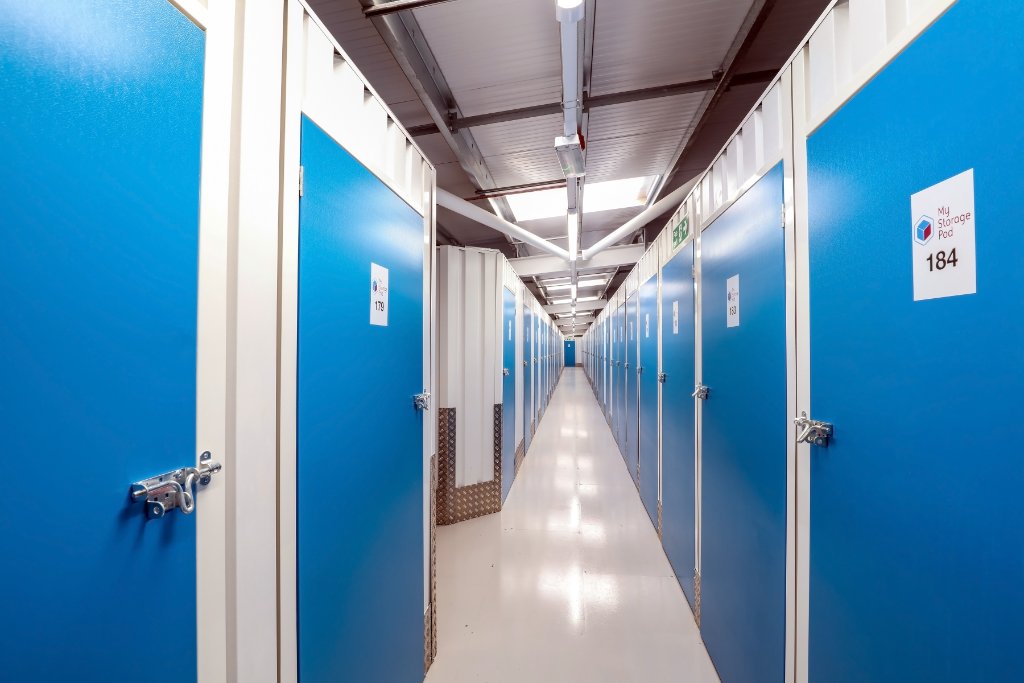
Introduction to Self Storage
Self storage is a practical, flexible solution for people and businesses who need extra space. Whether you're in the middle of a house move, renovating, decluttering, downsizing, or simply running out of room at home or at work, self storage gives you a secure, accessible place to keep your belongings.
At My Storage Hub in Buckley, Flintshire, we offer clean, dry and secure indoor self storage for personal and business customers across Mold, Deeside, Hawarden, Holywell, Chester and the wider North Wales area. This guide brings together the most useful storage tips and advice we've gathered over more than a decade of helping customers store their belongings.
Whether you're a first-time storage user or a seasoned mover, the advice below will help you pack smarter, organise better and protect your belongings for as long as you need.
Moving House Storage Tips
Moving house is one of the most common reasons people use self storage. Whether there's a gap between leaving your old property and moving into your new one, or you simply need somewhere to store furniture while you decorate, a storage unit can take the stress out of the process.
Before You Move
- Book your storage unit in advance — availability at good facilities can fill up quickly, particularly at busy times of year.
- Measure large items of furniture before booking to make sure they'll fit through the storage unit door and that you've chosen the right size unit.
- Declutter before you pack. There's no point paying to store things you'll never use again — sell, donate or recycle what you don't need.
- Get more boxes than you think you'll need. Running out of boxes mid-move is frustrating and slows everything down.
- Label every box clearly with its contents and which room it belongs to.
During Your Move
- Load your heaviest items first, placing them at the back of the storage unit and against the walls.
- Stack boxes with the heaviest at the bottom. Never stack heavy boxes on top of fragile items.
- Create a clear aisle through the middle of your unit so you can access items at the back without unpacking everything.
- Take a photo of your unit once loaded — it's a useful reference if you need to find something later.
How to Pack for Storage
Good packing is the single most important factor in protecting your belongings during storage. Items that are poorly packed are far more likely to be damaged — not because of the facility, but because of movement, pressure and moisture trapped inside packaging.
Choosing the Right Boxes
- Use high-quality, double-walled cardboard boxes for heavy or fragile items.
- Uniform box sizes make it much easier to stack and organise your unit efficiently.
- Avoid using old, damp or damaged boxes — they can collapse under weight and may introduce moisture.
- For particularly valuable or fragile items, consider plastic storage boxes with lids, which provide better protection.
Packing Fragile Items
- Wrap fragile items individually in bubble wrap or packing paper before placing them in boxes.
- Fill any gaps in boxes with packing paper, foam chips or scrunched newspaper to prevent movement.
- Mark boxes containing fragile items clearly on multiple sides.
- Place fragile boxes on top of heavier boxes and ensure nothing heavy is stacked on top of them.
General Packing Tips
- Label every box on the side — not just the top — so you can read labels when boxes are stacked.
- Keep an inventory list of what's in each box and which unit it's in.
- Pack items you might need to access first near the front of your storage unit.
- Disassemble flat-pack furniture before storing to save space and protect joints.
- Store screws, bolts and fixings in labelled bags taped directly to the furniture they belong to.
How to Organise a Storage Unit
A well-organised storage unit saves time, reduces frustration and helps protect your belongings. Taking a little extra time at the start to plan your layout pays dividends every time you need to find something.
- Create a floor plan before you start loading. Decide where different categories of items will go.
- Place items you'll need to access regularly near the front of the unit.
- Store items you won't need for a long time at the back.
- Stack boxes from floor to ceiling where it's safe to do so, leaving a clear central aisle.
- Store furniture upright where possible — standing sofas on their ends takes far less floor space.
- Use shelving units if you have a lot of smaller items — they make access much easier.
- Group similar items together — kitchen items in one area, bedroom items in another.
- Keep a simple inventory and update it when you add or remove items.
- Leave enough space to walk safely through the unit without climbing over things.
Maximising Space
Storage units are priced by size, so making the most of the space you have is worthwhile. Fill wardrobes, drawers and large appliances with smaller items like bedding, clothing and cushions. Stack chairs seat-to-seat to save floor space. Use the full height of the unit — stack boxes right up to the ceiling where it's safe.
Why Indoor Storage Is Better Than Outdoor Container Storage
One of the most important decisions when choosing a storage facility is whether to use indoor storage or outdoor container storage. Many people assume all storage is the same — but the difference matters, particularly for longer-term storage or for sensitive items.
The Problem with Outdoor Containers
Metal shipping containers can experience significant internal condensation, particularly during temperature changes. In the wet climate of North Wales and Flintshire, this can lead to damp, mould and corrosion forming inside a container — even if the unit appears watertight on the outside.
- Metal containers heat up in summer and cool rapidly at night, causing condensation on inner surfaces.
- Wooden furniture, soft furnishings and clothing are particularly vulnerable to mould and mildew.
- Paper documents, photos and books can be irreparably damaged by damp.
- Electronics and appliances can be corroded by moisture over time.
- The temperature difference between summer and winter can cause structural damage to wooden items.
Benefits of Indoor Storage at My Storage Hub
- Fully enclosed building — your belongings are not exposed to outdoor temperature swings.
- Dry, stable environment that protects furniture, documents, clothing and electronics.
- CCTV covers the entire internal corridor, not just the entrance.
- Clean, well-lit facility makes accessing your unit safe and easy.
- Particularly important in the North Wales climate, where outdoor containers can suffer from damp.
Furniture Storage Advice
Furniture is one of the most common things people put into storage — and also one of the most vulnerable to damage if not properly prepared. Follow this advice to keep your furniture in the best possible condition.
Before You Store Furniture
- Clean all furniture thoroughly before storage. Dust, grease and food residue can attract pests and accelerate deterioration.
- Disassemble flat-pack furniture where possible — it saves space and reduces the risk of joints being stressed during storage.
- Remove all drawers and store them separately or slide them back in and secure with tape.
- Polish wooden furniture before storage to provide a protective layer.
Protecting Furniture in Storage
- Wrap upholstered furniture in breathable fabric covers — not plastic. Plastic traps moisture and can cause mould.
- Wrap wooden furniture in moving blankets or furniture pads for protection against scratches.
- Stand mattresses upright on their sides — this prevents them bowing or becoming misshapen.
- Protect glass tabletops by wrapping in bubble wrap and storing upright.
- Raise furniture off the floor on pallets or boards where possible, to protect against any floor moisture.
- Avoid placing heavy items on top of upholstered furniture.
Why Choose Indoor Storage for Furniture
Wooden furniture is particularly vulnerable to damp and humidity. Swelling, warping and mould can all occur in outdoor container storage over time. At My Storage Hub, our dry indoor environment helps preserve wooden furniture, upholstery and other items throughout the storage period.
Long-Term Storage Tips
Storing items for more than a few months requires a bit more preparation than short-term storage. Taking the time to prepare properly will help ensure your belongings are in the same condition when you retrieve them as when you stored them.
- Use high-quality, heavy-duty boxes — standard cardboard can weaken over many months.
- Opt for plastic storage boxes with tight-fitting lids for items that are vulnerable to dust or moisture.
- Clean and dry all items thoroughly before storing. Any moisture trapped at the time of storage can cause damage over months.
- Use silica gel sachets inside boxes of electronics, photographs, documents and clothing to absorb any residual moisture.
- Wrap metal items in acid-free tissue or anti-corrosion packaging where possible.
- Do not store chemicals, flammable liquids or perishable food — these degrade over time and can damage other stored items.
- Run appliances and machinery for a short period before storing, and make sure they are fully drained of water and fuel.
- Visit your unit periodically for longer-term storage, to check everything is in order.
- Keep a full inventory — after many months, it's easy to forget what's in storage.
Insurance for Long-Term Storage
For longer-term storage, it's particularly important to ensure your items are adequately insured. Check whether your existing home or contents insurance covers items in storage, and speak to the My Storage Hub team about the insurance options we can offer.
Business Storage Advice
Self storage isn't just for house moves and decluttering. Many local businesses across Flintshire and the Chester area use business storage at My Storage Hub to manage stock, documents, equipment and seasonal items.
Who Uses Business Storage?
- Ecommerce businesses needing somewhere to receive deliveries and store stock.
- Tradespeople storing tools, materials and equipment between jobs.
- Local retailers managing overflow stock and seasonal merchandise.
- Accountants, solicitors and HR teams archiving client files and business records.
- Startups needing flexible space that can grow with the business.
- Sales representatives storing samples and display materials.
Tips for Business Storage
- Label and catalogue stock clearly so you can locate items quickly.
- Use shelving units for smaller items to make the best use of floor-to-ceiling height.
- Implement a FIFO (first in, first out) system for perishable or time-sensitive stock.
- Keep a digital inventory and update it whenever stock moves in or out.
- Store documents in archive boxes with clear labelling by date and category.
- Ensure staff who need to access the unit are familiar with the layout and access procedures.
Archive Storage for Businesses
Businesses are legally required to retain certain documents for set periods — often six or seven years for financial records. Rather than using valuable office space to store boxes of paperwork, many Flintshire businesses use our archive storage service, which includes shelving, retrieval and confidential shredding.
Decluttering Tips
Self storage can be a useful part of a home declutter — giving you a temporary home for items you're not ready to part with while you work through the process. Here are some practical tips to help.
The Three-Pile Method
When going through your belongings, sort everything into three categories: Keep, Store, and Let Go. Items you want to keep but don't need immediately — seasonal items, sentimental pieces, furniture for a future home — are ideal candidates for storage.
Room by Room
- Tackle one room at a time to avoid becoming overwhelmed.
- Start with low-emotional-value areas like utility rooms, lofts and garages.
- Leave sentimental items for last when you have more practice making decisions.
- Be honest about what you genuinely use and need.
- Photograph items before you sell or donate them if you want to remember them.
What to Store vs What to Let Go
Storage is ideal for items you genuinely want to keep but don't need on a day-to-day basis — furniture for a future property, seasonal decorations, sporting equipment used occasionally, or sentimental items. If you haven't thought about an item in over two years and have no concrete plan to use it, it may be time to let it go.
Common Storage Mistakes to Avoid
After years of working with storage customers, here are the most common mistakes we see — and how to avoid them.
- Packing items while still damp — moisture sealed inside boxes or furniture covers will cause mould over time.
- Using old, weakened boxes — these can collapse under weight, damaging everything below.
- Not labelling boxes — after a few months, it's almost impossible to remember what's in an unlabelled box.
- Wrapping furniture in plastic — breathable fabric covers are essential for upholstery.
- Underestimating the unit size needed — it's better to have a little extra space than to have to upgrade mid-storage.
- Storing prohibited items — flammable substances, food and hazardous materials are not allowed in storage.
- Not creating an access aisle — loading a unit wall to wall means unpacking everything to find something at the back.
- Forgetting to insure stored belongings — standard home insurance may not cover items in off-site storage.
- Choosing outdoor container storage for damp-sensitive belongings in the North Wales climate.
- Not visiting the unit periodically for long-term storage — catching any issues early is much better than discovering them when you need everything out.
Storage Size Advice
Choosing the right unit size is important — too small and you can't fit everything in; too large and you're paying for space you don't need. Here's a quick reference guide.
| Unit Size | Typical Use | Examples |
|---|---|---|
| 25 sq ft | Small personal storage | A few boxes, a wardrobe, small bedroom contents |
| 35 sq ft | Studio / small flat | Studio flat contents, small bedroom + living room |
| 50 sq ft | 1-bedroom flat | Furniture and contents of a 1-bed flat |
| 75 sq ft | 2-bedroom house | Furniture and contents of a 2-bed property |
| 100 sq ft | 3-bedroom house | Contents of a 3-bed house or large business stock |
| 150+ sq ft | Large home or business | 4+ bed house, significant business inventory |
These are rough guides only — the actual space you need depends on how efficiently you pack and whether you disassemble furniture. Our storage calculator takes the guesswork out of it.
Frequently Asked Questions
Here are the most common questions we receive about self storage, packing and moving.
Ready to Find Your Storage Unit?
My Storage Hub is a secure, dry indoor storage facility in Buckley, Flintshire — conveniently placed for Mold, Deeside, Hawarden, Chester and across North Wales. Call us or get a quote online.
Catheralls Industrial Estate, Brookhill Way, Buckley, Flintshire, CH7 3PS · 01244 550022